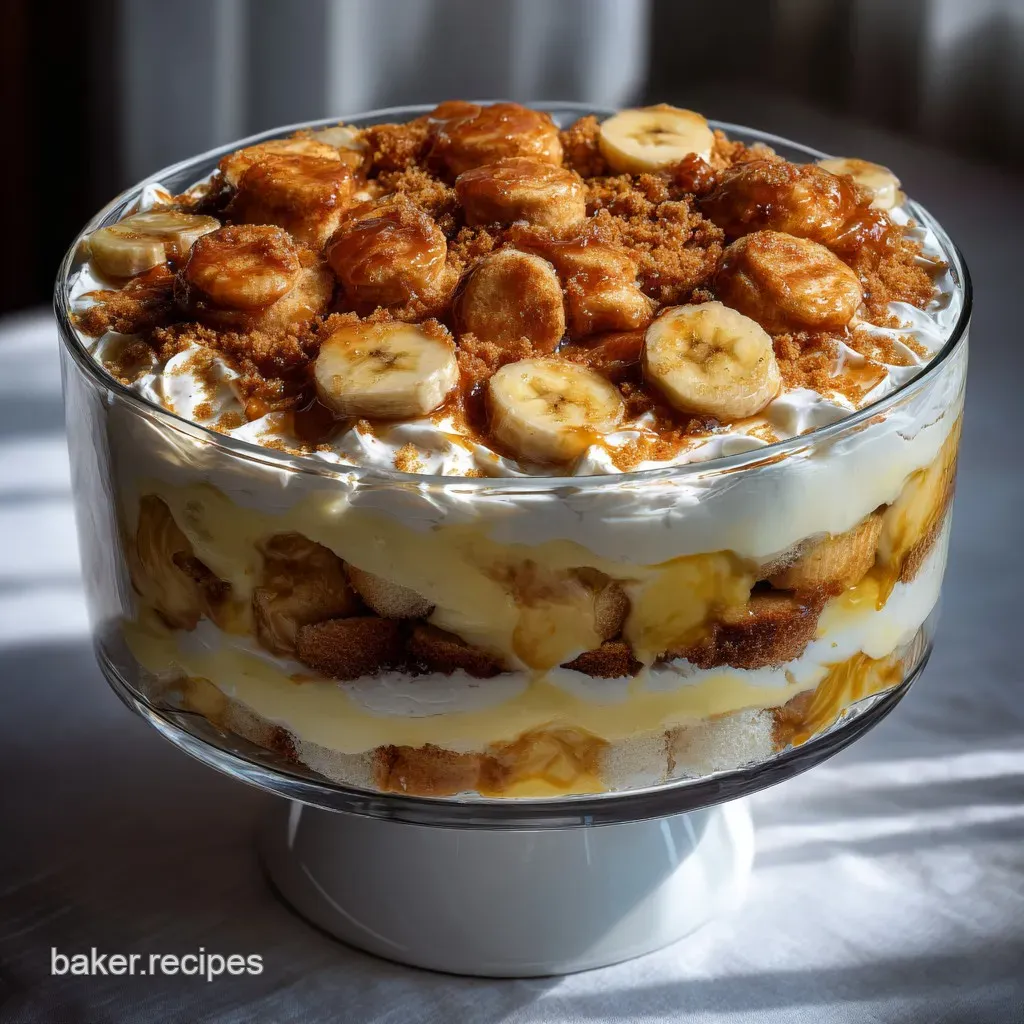
From Trifles to Showstoppers: The Rich History of Banana Pudding
Few desserts evoke the same sense of nostalgic comfort and pure joy as a perfectly crafted banana pudding. With its layers of creamy custard, sweet bananas, and crisp vanilla wafers, topped with a cloud of whipped cream or a toasted meringue, it's a dish that has graced countless dinner tables, potlucks, and celebrations across America, particularly in the South. But while many know and love this iconic treat, its journey from a simple layered dessert to a beloved culinary showstopper is a story as rich and comforting as the pudding itself.
The Humble Origins: A Trifle's Tale
The history of banana pudding is intrinsically linked to a category of desserts known as trifles. These elaborate, layered puddings were a culinary sensation during the Gilded Age, beloved not just for their delightful flavors but also for the decorative flair they added to opulent dinner tables. Imagine grand dining rooms, laden with rich dishes, where a vibrant, multi-layered pudding would stand as a testament to both culinary skill and aesthetic sensibility.
The emergence of banana-based trifles was no accident. During this period, bananas became a significant commodity, particularly in bustling port cities like New Orleans. Thousands of pounds of the exotic fruit were shipped annually from the sun-drenched Caribbean, Central, and South American coasts by "banana boats." Upon arrival, these tropical treasures were swiftly loaded onto trains, beginning their journey across the nation. For many Americans, these bananas offered a tantalizing taste of the tropics, a glimpse of distant lands they might never visit, bringing an exotic touch to everyday meals and, eventually, to popular desserts like banana pudding.
A Southern Staple: From Potlucks to Family Tables
While its early roots may lie in the sophisticated trifle, banana pudding truly found its enduring home and identity in the American South. Here, it transitioned from a formal dessert to a beloved emblem of hospitality and comfort. Growing up in the South, many can attest to the irresistible pull of a freshly made banana pudding. It was an omnipresent fixture, whether at lively barbecue buffets in the heart of the Carolinas, communal church potlucks, or the intimate setting of a family dinner table. Its universal appeal crosses generations and social gatherings, making it an undisputed classic.
The magic of Southern banana pudding lies in its ability to be both simple and sublime. Its widespread popularity led to countless variations, each family or cook often having their own cherished recipe. While traditional versions often involve a cooked custard, the evolution of the dessert has seen a rise in convenient no-bake iterations that don't compromise on flavor or texture. These recipes maintain the soul of the classic while offering a practical approach for busy hosts, proving that the heart of good cooking often lies in adapting and perfecting beloved traditions.
Crafting the Perfect Banana Pudding: Tips and Innovations
Creating a truly exceptional banana pudding involves a harmonious blend of simple ingredients and thoughtful execution. The core components remain consistent: ripe bananas, crisp vanilla wafers, and a luscious, creamy pudding. However, the preparation method and specific ingredients can significantly impact the final result, offering a spectrum of textures and flavors.
The Pudding Base: Cooked vs. No-Bake
Traditionally, banana pudding often featured a homemade, stovetop custard. While utterly delicious, this method requires a bit more time and careful attention to prevent scorching or curdling. Modern innovations, however, have popularized the Easy No-Bake Southern Banana Pudding: A Classic Dessert, which offers incredible convenience without sacrificing flavor. These no-bake versions often rely on a combination of sweetened condensed milk, cream cheese, or a generous amount of whipped cream to achieve their signature richness and fluffy texture. Some even incorporate a touch of sour cream, which, surprisingly, adds a delightful tang and cuts through the sweetness, while also contributing to an incredibly rich and stable pudding that helps prevent dreaded separation.
Layering for Success
The architectural beauty of banana pudding is in its layers. Begin with a base of vanilla wafers, creating a tender foundation that softens beautifully as it absorbs the pudding's moisture. Next, arrange slices of ripe, but not overly mushy, bananas. These provide natural sweetness and a delicate texture contrast. Then, generously spoon over your creamy pudding, repeating the layers until your dish is full. For optimal flavor melding and wafer softening, always allow your layered pudding ample time to chill in the refrigerator—ideally several hours or even overnight. This makes it a perfect Whip Up Creamy Banana Pudding: Your Easy Make-Ahead Recipe for any gathering.
Toppings That Elevate
The crowning glory of any banana pudding is its topping. While a simple dollop of freshly whipped cream is always a delightful choice, other options can truly elevate the dessert to showstopper status:
- Classic Whipped Cream: A timeless choice. For best results, chill your heavy cream in the freezer for about 10 minutes before whipping; it will whip up much faster and hold its peaks beautifully.
- Marshmallows: Melted under a broiler or carefully toasted with a kitchen torch, marshmallows add a sweet, gooey layer reminiscent of campfire treats.
- Italian Meringue: For those seeking an extra touch of elegance and a more sophisticated flavor profile, a silky Italian meringue is an excellent choice. This cooked meringue provides a stable, glossy topping. If lightly toasted with a mini blow torch, it develops a delightful caramelized flavor, evoking the beloved taste of toasted marshmallows over a crackling fire.
Presentation and Practicality: Serving Your Showstopper
Whether you're serving a small family dinner or a large party, banana pudding is incredibly versatile in its presentation. A grand trifle dish, showcasing all the beautiful layers, is a traditional and eye-catching choice. It makes a stunning centerpiece that’s sure to draw compliments. For easier serving at potlucks or gatherings, consider creating individual mini versions in charming glass jars or ramekins. Simply layer the ingredients, cover, and refrigerate until it's time to serve. This not only simplifies portion control but also adds a touch of personalized elegance that guests will appreciate.
The beauty of many modern banana pudding recipes, especially the no-bake varieties, is their make-ahead capability. Preparing it the day before allows the flavors to meld beautifully and the wafers to soften to that perfect tender consistency. This makes it an ideal dessert for entertaining, as it frees you up to enjoy your guests without last-minute culinary stress.
Conclusion
From its humble beginnings as a decorative trifle on Gilded Age tables to its current status as a quintessential Southern comfort food, banana pudding has proven its enduring appeal. It's a dessert that tells a story of culinary evolution, global trade, and the simple joy of sharing good food. Whether you prefer a quick no-bake recipe or a more elaborate meringue-topped masterpiece, the essence of banana pudding remains the same: a creamy, dreamy, and utterly delicious treat that brings smiles and a taste of timeless tradition to every spoonful. It truly has transformed from a trifle to a showstopper, captivating palates for generations.
